
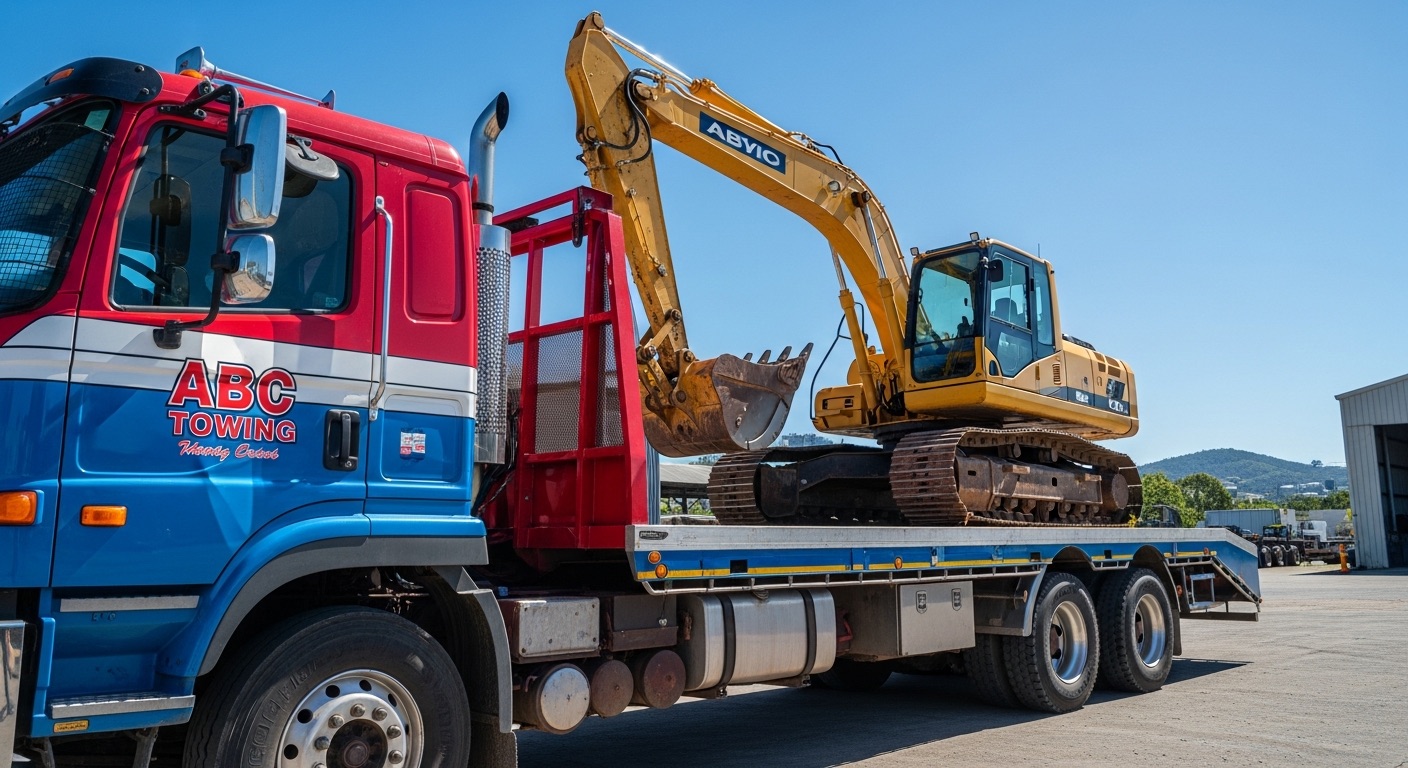
Weight and dimensions decide everything in heavy haulage — the truck, the permits, the route. Here's a plain guide to the limits.
Why Weight And Dimensions Decide Everything
In heavy haulage, the load's weight and dimensions drive every decision: which truck carries it, whether it needs a permit, what route it can take, and when it can travel. Getting these numbers right at the quoting stage is what makes a move legal, safe and on time.
Standard Limits And When You Exceed Them
There are standard legal limits for a vehicle and load's width, height, length and mass. Stay within them and the load travels as normal freight. Exceed any one of them and the load becomes over-dimensional or over-mass, which triggers permit requirements and, for larger excesses, escort vehicles and travel restrictions.
Height is the limit people most often overlook. A load that's fine on width and weight can still be over-height once it's sitting on a deck, so always measure the loaded height, not just the item itself.
Getting Your Numbers Right
When you ask us to quote, the most useful thing you can give us is accurate figures: the item's weight, and its width, height and length. If you're not certain, the make and model often tells us enough. From there we choose the truck, work out whether a permit is needed, and plan the route.
Guessing low on weight or height causes real problems on the day, so when in doubt, measure — or let us help you work it out.